Image info
Art and Movement: Physical Exercises to Stimulate Creativity
Creativity is often seen as a mysterious force, something that strikes when least expected. However, research shows that physical movement can play a significant role in unlocking this creative potential. By integrating movement into your artistic practice, you can enhance your creativity and improve your overall well-being. This article explores how specific physical exercises can stimulate your creative thinking and artistic expression.
The Science Behind Movement and Creativity
Studies have demonstrated a clear link between physical activity and creative thinking. For instance, research published in the article "Acute and Chronic Physical Activity Increases Creative Ideation Performance" reveals that both short-term and regular physical activity positively impact creative thought processes. Engaging in physical movement enhances cognitive functions vital for creativity, such as memory and attention.
Moreover, even brief episodes of aerobic exercise, like walking, can ignite creative thinking. A recent study highlighted that the environment and novelty can amplify the effects of movement on creativity. Engaging in activities that get your body moving can lead to new ideas and perspectives.
Movement-Based Exercises to Spark Your Creativity
Incorporating physical movement into your routine can be simple and enjoyable. For example, consider dancing or engaging in free movement to your favorite music. This form of self-expression not only boosts your mood but also encourages creative thinking by allowing your body to move freely. Dancing enhances neuroplasticity, fostering new neural connections that support creative thought.
Another effective way to stimulate creativity is by walking in nature. Taking a stroll in a park or natural setting can have a calming effect, helping to clear your mind and inspire new ideas. Research shows that walking can significantly enhance creativity, making it a perfect way to recharge your artistic spirit.
Stretching and yoga exercises are also beneficial. These practices improve flexibility and body awareness, fostering a sense of calm that can lead to enhanced creativity. The physical benefits of yoga contribute to improved mental clarity, making it easier to focus on your artistic endeavors.
Combining mindful breathing with gentle movements can further enhance your creative process. This practice helps center your thoughts and encourages a flow state, making it easier to tap into your creative side. Mindfulness enhances focus and reduces anxiety, which can stifle creativity.
Lastly, consider diving into playful movement games that stimulate your imagination. Activities like improv dance or movement-based storytelling can enhance your artistic expression and encourage you to think outside the box.
Incorporating Movement into Artistic Practice
Integrating movement into your artistic practice doesn't have to be complicated. Start by dedicating specific times in your day for physical activity. Whether it's a morning stretch or an afternoon walk, make it a regular part of your routine to boost your creativity.
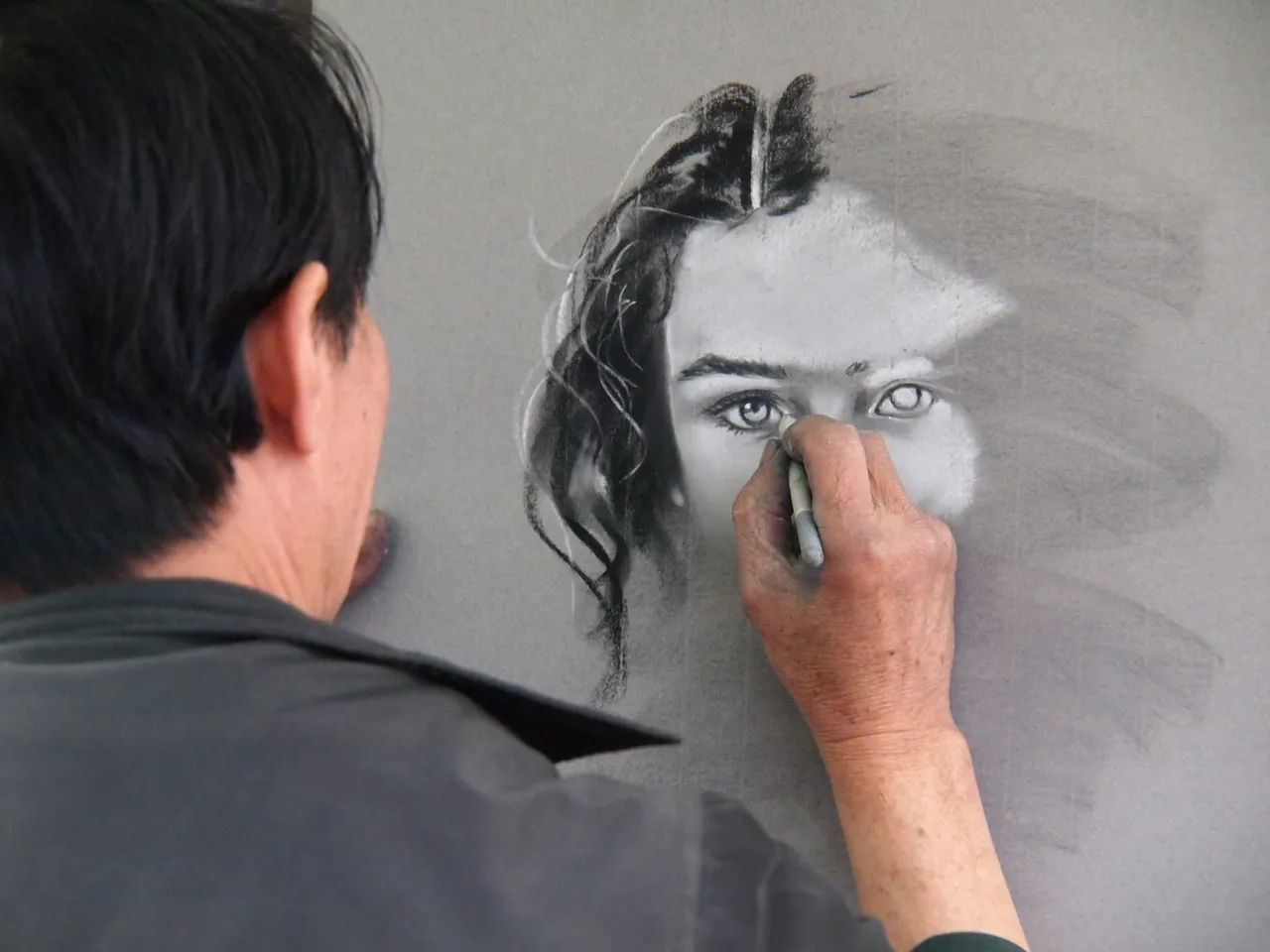
You can also experiment with creating art while moving. For instance, try painting while standing or using large gestures to express your ideas on canvas. This approach can lead to more dynamic and expressive artwork.
Additionally, consider how different art forms can benefit from movement. Dance, performance art, and even sculpture can all incorporate physicality to enhance creativity. Engaging in various forms of art can provide fresh perspectives and inspire new ideas.
Embrace the Power of Movement
Combining art and movement can unlock new levels of creativity and self-expression. By engaging in physical exercises, you not only improve your mood and cognitive functions but also create an environment where creativity can thrive. So, take a step, dance it out, or stretch your way to a more vibrant artistic practice. How will you embrace the power of movement to enhance your creativity today?
This article was developed using available sources and analyses through an automated process. We strive to provide accurate information, but it might contain mistakes. If you have any feedback, we'll gladly take it into account! Learn more