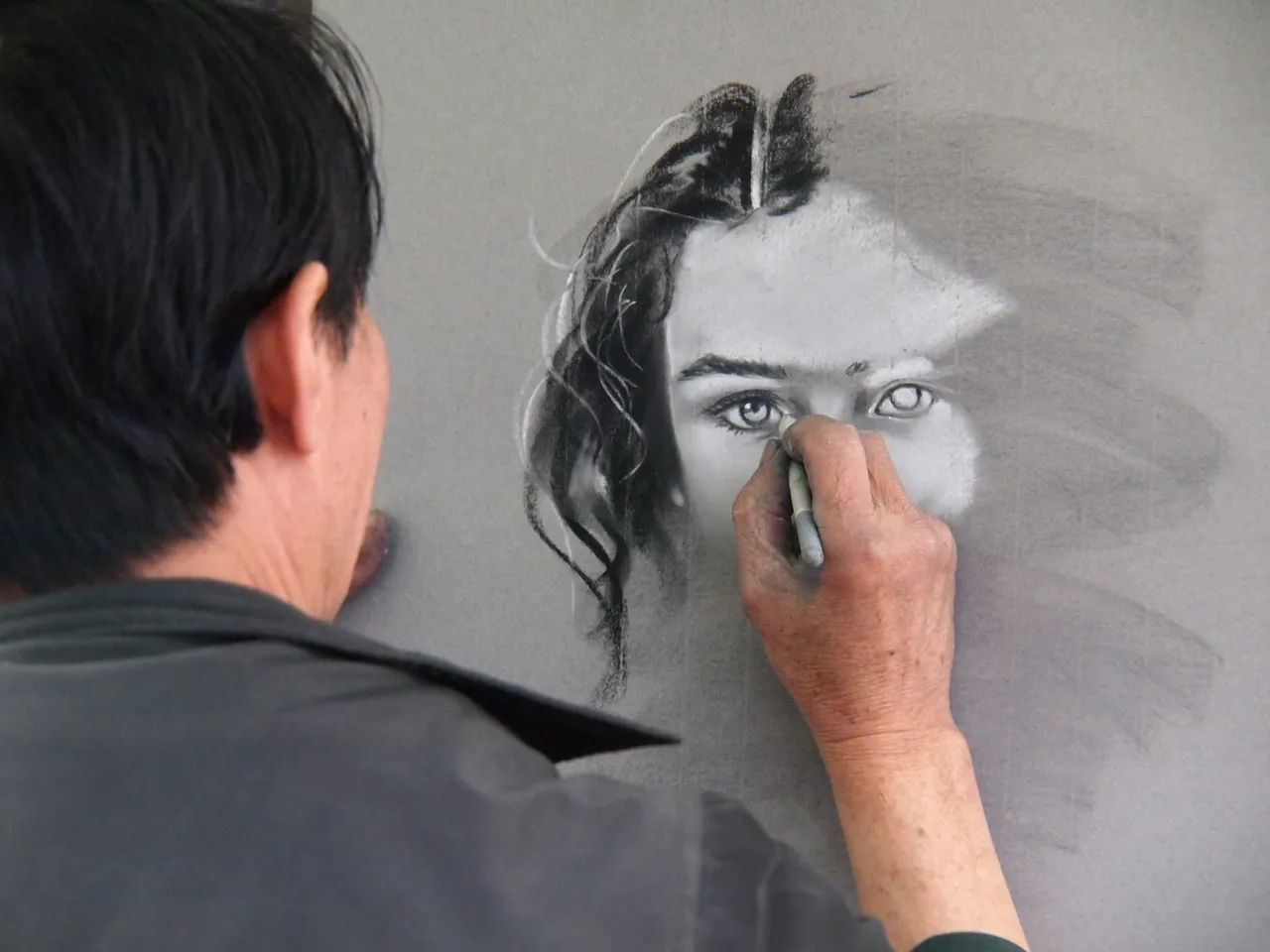
Art as Climate Action: Inspiring Change through Creative Expression
As the world grapples with the urgent realities of climate change, the call for action has never been more pressing. With rising temperatures and increasingly frequent natural disasters, individuals and communities are seeking effective ways to make a difference. One powerful avenue for change lies in the realm of art. Creative expression transcends barriers, evokes emotions, and inspires action. From thought-provoking installations to vibrant community murals, artists harness their talents to raise awareness about environmental issues and galvanize support for climate action. This article explores how art serves as a catalyst for change, inspiring individuals to take meaningful steps toward a sustainable future.
Art’s Unique Role in Climate Activism
Art possesses a remarkable ability to communicate complex ideas in ways that resonate with diverse audiences. Through visual storytelling, artists convey the urgency of climate change and its impacts on our planet. For instance, Olafur Eliasson's "Ice Watch" installation, featuring large blocks of ice placed in public spaces, starkly reminds viewers of melting glaciers and the reality of global warming. As the ice melts, it invites reflection on our relationship with nature and the pressing need for climate action.
Moreover, art creates a sense of community and shared purpose. Public art projects, such as murals and installations, transform urban spaces into platforms for dialogue about environmental issues. Engaging local communities in the creative process fosters a collective sense of responsibility and empowerment.
Case Studies of Artists Making a Difference
Throughout history, artists have played a pivotal role in advocating for social and environmental change. One notable example is Banksy, the enigmatic street artist known for his provocative works that challenge societal norms. His piece "Dismaland," a dark twist on a theme park, highlighted the absurdity of consumerism and environmental degradation. This installation not only drew large crowds but also sparked conversations about the impact of consumer culture on the environment. Banksy's ability to blend humor with critical commentary engages viewers in a way that prompts reflection and action regarding climate issues.
Another significant initiative is The Ocean Cleanup Project, which combines art and science to address the growing problem of ocean pollution. Artists collaborate with scientists to create installations that visualize the impact of plastic waste on marine life. The project’s "Interceptors" are designed to remove plastic from rivers before it reaches the ocean. By raising awareness through artistic expression, they inspire action to protect our oceans. The project has garnered significant media attention, highlighting the effectiveness of art in mobilizing public support for environmental causes.
Christo and Jeanne-Claude are also exemplary figures in this realm. Their large-scale environmental art installations, such as "The Floating Piers," invite viewers to experience nature in new ways. This project allowed people to walk on water, transforming the landscape and encouraging a deeper connection with the environment. By creating temporary art that interacts with natural settings, they spark discussions about land use and environmental preservation. Their work has not only beautified landscapes but also raised awareness about the importance of protecting natural spaces.
How to Use Your Art for Climate Action
Artists have a unique opportunity to contribute to climate action through their creative practices. One effective approach is to use sustainable materials in artwork. By opting for recycled or natural materials, artists not only reduce waste but also set an example for others to follow. For instance, artist El Anatsui creates stunning sculptures from discarded bottle caps and aluminum, transforming waste into beautiful art. His work not only highlights the issue of waste but also encourages viewers to rethink their consumption habits.
Artists can also channel their creativity into projects that address specific environmental issues. For example, artist Angela Haseltine Pozzi uses marine debris to create intricate mosaics that raise awareness about ocean pollution. Her project, "Washed Ashore," has toured various locations, educating the public about the impact of plastic waste on marine life while showcasing the beauty that can emerge from discarded materials.
Collaboration with local organizations can further enhance the impact of artistic endeavors. Engaging in community projects that promote sustainability, such as the "Paint the Streets" initiative in San Francisco, allows artists to create murals that reflect community values and environmental concerns. By involving local residents in the creative process, these projects foster a sense of ownership and responsibility toward their environment.
Hosting art exhibitions focused on environmental themes is also a valuable way to inspire action. Curating exhibitions that showcase works addressing climate issues can serve as a platform for discussion and education. The "Art of the Earth" exhibition in New York City featured works from various artists dedicated to environmental advocacy, drawing attention to the intersection of art and climate action.
Community Engagement through Art
Art has the power to bring people together and foster a sense of community. Collaborative art projects can engage individuals in meaningful discussions about climate change and inspire collective action. Organizing community art projects that invite residents to contribute their ideas and creativity can be impactful. For example, the "Murals for Change" project in Philadelphia encourages local artists to create murals that reflect the community's concerns about climate change and social justice. These murals not only beautify neighborhoods but also serve as powerful statements about the community's commitment to sustainability.
Hosting festivals that celebrate art and environmental activism can further enhance community engagement. These events can feature workshops, live performances, and art installations that highlight the connection between creativity and sustainability. The "Earth Day Art Festival" brings together artists, activists, and community members to celebrate environmental stewardship through creative expression. By showcasing local talent and fostering dialogue, these festivals inspire action and promote environmental awareness.
Partnerships with schools and educational institutions can also integrate art into environmental education. Workshops that combine art-making with lessons on climate science empower students to express their understanding of environmental issues creatively. Programs like "Art and Science in the Classroom" allow students to explore climate change through hands-on art projects, fostering a deeper connection to the subject matter.
Conclusion
In conclusion, art serves as a powerful medium for inspiring climate action and fostering community engagement. By harnessing creativity, artists can raise awareness about environmental issues and motivate individuals to take meaningful steps toward sustainability. As we navigate the challenges of climate change, let us embrace the transformative power of art to inspire change and create a more sustainable future
This article was developed using available sources and analyses through an automated process. We strive to provide accurate information, but it might contain mistakes. If you have any feedback, we'll gladly take it into account! Learn more