Image info
Creating Art of Resilience: How to Channel Life's Challenges into Your Artwork
Art serves as a powerful medium for self-expression, especially when we confront life's challenges. The transformative nature of art helps us navigate emotions, heal from pain, and channel our experiences into something meaningful. This article explores how personal struggles can fuel creativity, offering techniques and insights for artists eager to turn their challenges into impactful artwork. Regardless of your experience level, understanding how to harness resilience through art can lead to personal growth and connection with others.
Understanding Resilience Through Art
Resilience is the ability to recover from adversity. In art, resilience becomes a tool for healing, a way to process emotions, and a means to communicate experiences that might otherwise remain unspoken. Artists often draw from their personal journeys, using their work to explore and express complex feelings.
When artists channel their challenges into their creations, they confront their struggles and invite others to connect with their experiences. This connection fosters community and understanding, reminding us that we are not alone in our hardships. Creating art becomes a cathartic process, allowing individuals to transform pain into something beautiful and meaningful.
Art reflects the full spectrum of human experience, capturing moments of despair, joy, and everything in between. By embracing the emotional journey that comes with creating art, individuals can cultivate resilience, using their experiences as a source of inspiration and strength.
Transformative Techniques for Channeling Life’s Challenges into Art
One effective way to channel personal experiences into art is through free-form drawing and guided imagery. These techniques encourage artists to express their emotions without the constraints of traditional forms. Allowing the mind to wander and the hand to move freely helps tap into the subconscious, bringing forth feelings that may be difficult to articulate. This process emphasizes the importance of the journey rather than the final product, fostering mindfulness and reducing stress.
Personal pain can serve as a powerful catalyst for creativity. By confronting struggles head-on, artists can create work that resonates deeply with others. This transformation might manifest as a painting, a song, or a piece of writing. For instance, an artist might capture grief in a somber painting or express their journey through a poignant song. This cathartic process not only aids healing but also allows viewers to connect with the raw emotions conveyed in the artwork.
Participating in structured art challenges can provide a framework for incorporating personal experiences into creative work. These challenges often set specific parameters, encouraging artists to think outside the box and explore new styles or mediums. Embracing constraints can lead to innovative ways to express emotions and experiences. For example, a challenge might require participants to create a piece using only monochromatic colors, prompting a focus on the emotional weight of the subject matter.
Art Therapy Activities for Emotional Expression
Art therapy is a powerful tool for emotional expression, providing individuals with a safe space to explore feelings through creative activities. Here are some effective art therapy activities that can help channel personal challenges into artwork:
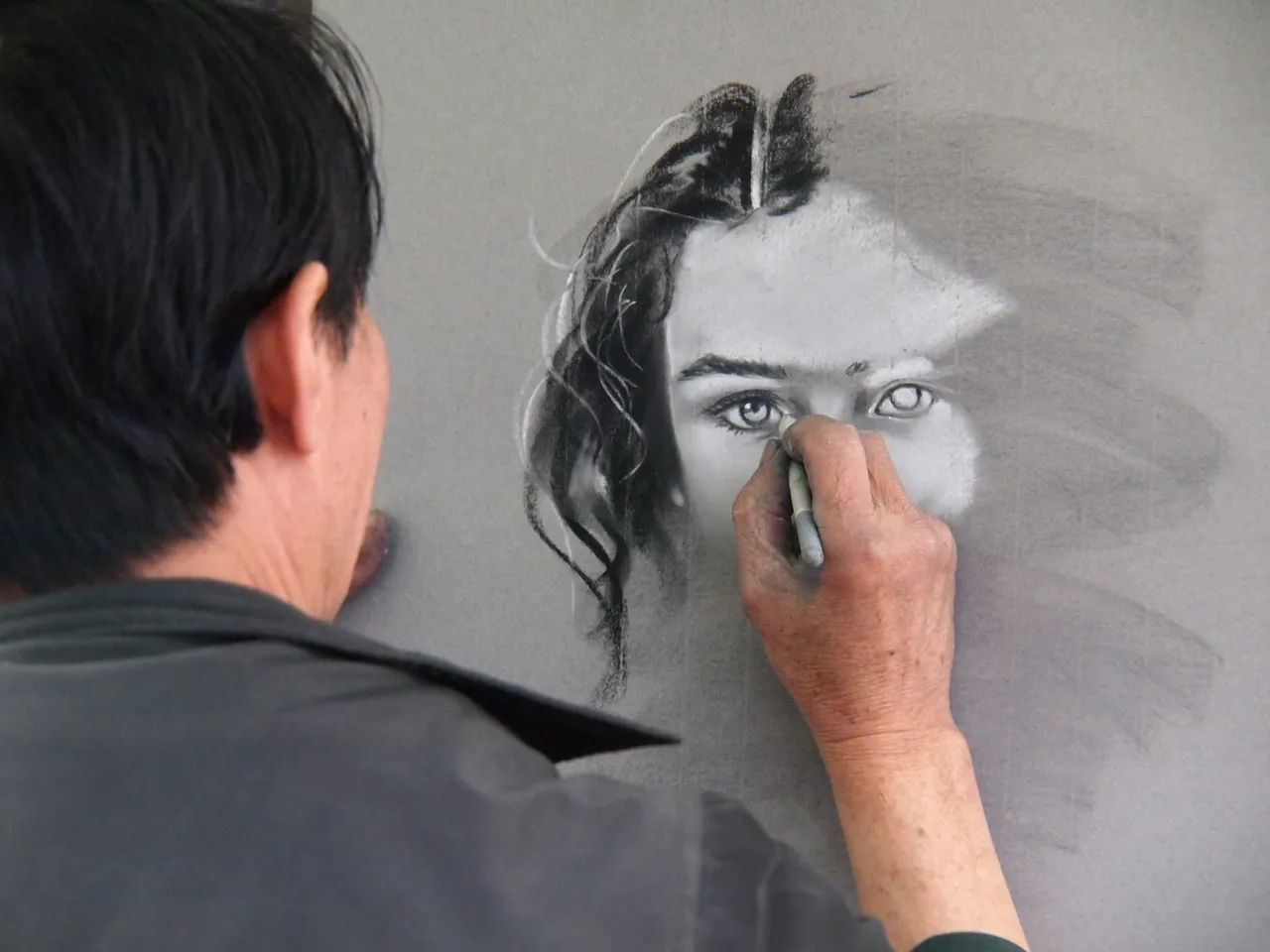
Engaging in drawing or painting allows individuals to visually express thoughts and emotions. This can be as simple as doodling or creating a detailed painting. The key is to focus on the feelings associated with the experience rather than striving for perfection. Artists can use colors, shapes, and forms to represent their emotions, creating a visual narrative of their journey.
Collage making encourages self-expression by combining various materials, such as magazine clippings, photographs, and fabric. Artists can create a piece that reflects their personal experiences. This technique allows for tactile engagement with the artwork, making the creative process even more immersive. Writing about the thoughts and feelings associated with the collage can enhance understanding of the emotions being expressed.
Mindfulness can be integrated into art-making through practices such as mandala drawing or nature-inspired art. These activities encourage individuals to focus on the present moment, allowing them to connect with their emotions without judgment. Creating mandalas can be a meditative experience, helping to center the mind and foster a sense of calm.
Combining writing with visual art can deepen the emotional exploration process. Artists can keep a journal to document thoughts and feelings while creating their artwork. This practice provides clarity and serves as a valuable tool for reflection. By articulating experiences in words, artists can gain insights into their emotional landscape, enriching their creative process.
Conclusion
Creating art from life's challenges is not just a means of self-expression. It is a powerful journey toward resilience and healing. By embracing personal struggles and channeling them into creative endeavors, artists can transform pain into beauty. They offer solace and inspiration to themselves and others. Techniques such as free-form drawing, engaging in art challenges, and participating in art therapy activities provide valuable pathways for emotional exploration.
As you navigate your own challenges, consider how art can serve as a tool for healing and connection. Regardless of your experience level, remember that your experiences are valid and can inspire others. What emotional truths can your brush reveal today?
This article was developed using available sources and analyses through an automated process. We strive to provide accurate information, but it might contain mistakes. If you have any feedback, we'll gladly take it into account! Learn more