Image info
Exploring Fusion Techniques in Art: Blending Classical Methods with Modern Technology
In a world where creativity knows no bounds, the fusion of classical art techniques with modern technology is reshaping the artistic landscape. Artists today inherit traditional methods, but they are also innovators blending the old with the new. This article explores the fascinating realm of fusion techniques in art, highlighting how artists can harness both classical methods and modern technologies to create compelling and sustainable artworks.
Defining Fusion Techniques: A New Era in Artistic Expression
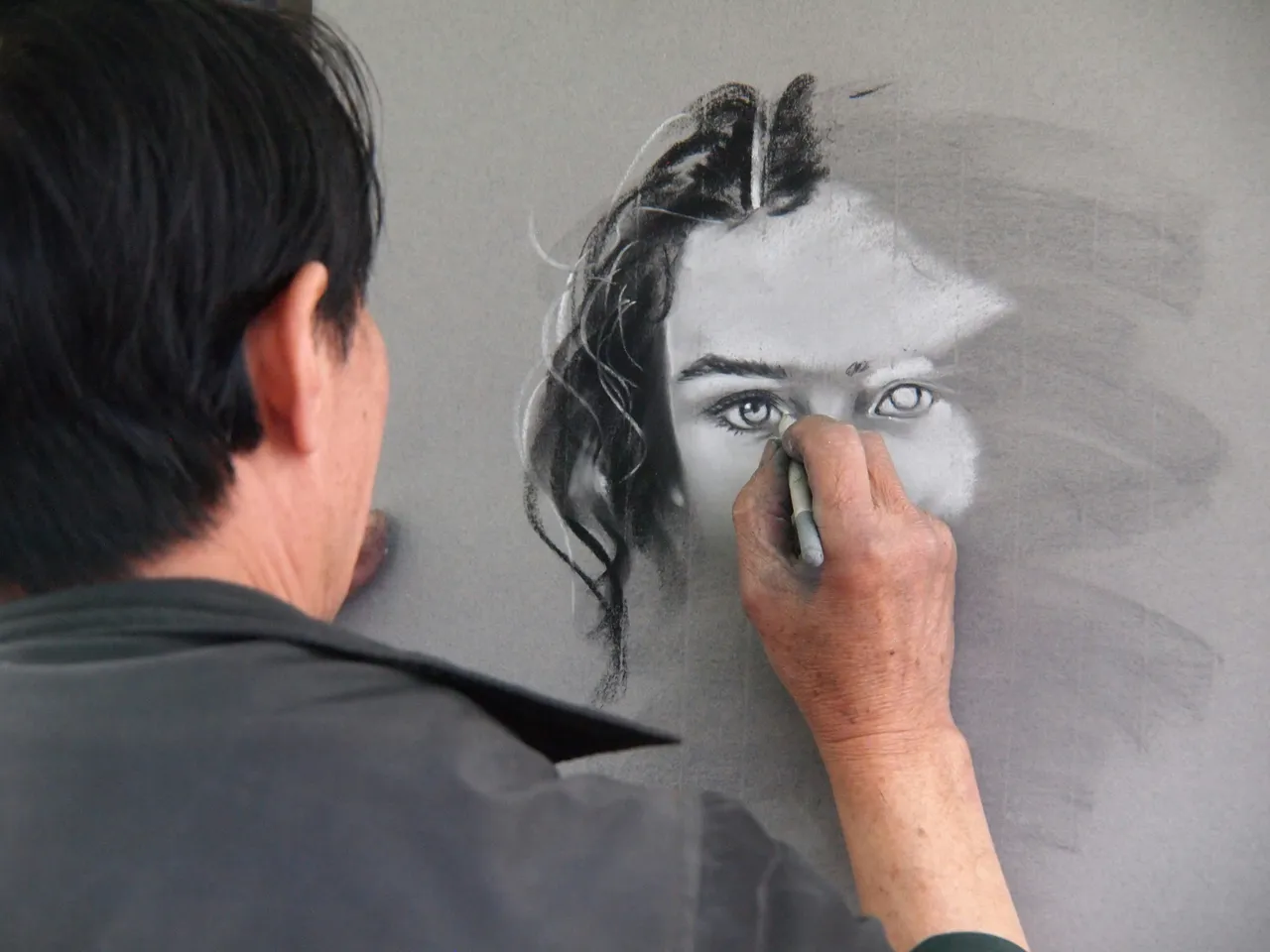
Fusion techniques in art refer to the innovative combination of traditional artistic methods with contemporary technologies. This approach allows artists to enhance their creative expression and push the boundaries of what is possible in art. By integrating classical techniques, such as oil painting, sculpture, and printmaking, with modern tools like digital software and 3D printing, artists can create hybrid works that reflect both historical significance and contemporary relevance.
Examples of Fusion Techniques
Digital Painting
Digital painting has revolutionized the way artists create. Using software like Adobe Photoshop or Procreate, artists can replicate traditional painting styles while enjoying the flexibility of digital tools. This fusion empowers artists to experiment with colors, textures, and techniques that might be difficult to achieve on canvas. The rise of digital painting has also democratized art, allowing more people to engage in creative expression.
3D Printing
Sculptors are embracing 3D printing as a way to bring their designs to life. By creating digital models, artists can produce intricate sculptures that would be challenging to carve by hand. This technology not only saves time but also opens up new possibilities for creativity, allowing for complex forms and structures. 3D printing has transformed the sculpture landscape, enabling artists to explore ideas that were previously limited by traditional methods.
Augmented Reality (AR)
Augmented reality is transforming how audiences interact with art. Artists can create installations that incorporate AR, enabling viewers to engage with the artwork through their smartphones or AR glasses. This fusion of physical and digital art creates immersive experiences that captivate and inspire. AR not only enhances the viewer's experience but also invites them to participate actively in the artwork.
Mixed Media
The mixed media approach combines various materials and techniques, allowing artists to explore new dimensions in their work. For example, an artist might use traditional oil paints alongside digital prints or incorporate found objects into their pieces. This blending of materials enhances the visual and tactile qualities of the artwork, making it more dynamic and engaging. Mixed media art often reflects the complexity of modern life, where various influences and materials coexist.
Tools and Technologies for Artists
Artists today have access to a wide range of tools and technologies that facilitate fusion techniques. Software programs like Adobe Creative Suite provide powerful platforms for digital creation. Additionally, graphics tablets, such as those from Wacom, allow for precise control over digital artwork.
Sustainability is also a key consideration in modern art practices. Artists are increasingly using eco-friendly materials, such as non-toxic paints and recycled materials, to minimize their environmental impact. This commitment to sustainability aligns with the values of contemporary art and resonates with audiences who prioritize eco-conscious practices.
Sustainability in Fusion Art
As artists explore fusion techniques, many are also focusing on sustainability. The importance of eco-friendly practices in art creation cannot be overstated. Artists are finding innovative ways to use sustainable materials and techniques, such as sourcing local resources and utilizing biodegradable printing options. This approach not only reduces waste but also fosters a deeper connection between the artist and their environment. By integrating sustainable practices into their work, artists contribute to a more responsible and ethical art community.
Notable Artists and Projects
Several artists are leading the way in fusion art, showcasing how traditional and modern techniques can coexist harmoniously. For instance, Refik Anadol is known for his immersive installations that blend data, art, and technology, creating stunning visual experiences. Similarly, teamLab combines art and technology to create interactive environments that engage viewers in unique ways.
Community engagement is also a vital aspect of fusion art. Collaborative projects that involve local artists and communities often result in dynamic works that reflect shared experiences and cultural narratives. These initiatives not only enrich the artistic landscape but also foster a sense of belonging and connection among participants.
Conclusion
Fusion techniques in art represent a thrilling intersection of tradition and innovation. By blending classical methods with modern technology, artists can create works that are visually stunning and meaningful. As the art world continues to evolve, embracing these fusion techniques will empower artists to explore new horizons and inspire future generations. So, if you're a seasoned artist or just starting your creative journey, consider how you can incorporate fusion techniques into your practice and unlock your artistic potential.
This article was developed using available sources and analyses through an automated process. We strive to provide accurate information, but it might contain mistakes. If you have any feedback, we'll gladly take it into account! Learn more